Introduction
Makhana has become a popular choice for people looking for a crunchy snack with traditional Indian roots. From everyday snacking to festive recipes, these puffed seeds are valued for their versatility, mild flavour, and satisfying texture.
However, not all makhana looks or tastes the same. Differences in size, appearance, freshness, processing, and preparation can influence the experience you get from each pack.
Whether you are buying makhana for your family, preparing traditional recipes, or exploring premium snack options, understanding a few basic quality indicators can help you make a more informed choice.
In this guide, we explain how to choose the best makhana, what to look for when comparing grades, and how to store it so that it stays crisp for longer.
1. Check the Size and Appearance of Makhana
One of the first things people notice when buying makhana is the size of the individual pieces.
Makhana is available in different sizes and grades. Larger pieces are often marketed as premium options, while smaller pieces can work well for everyday snacking and recipes.
When evaluating makhana, consider the following:
- Uniformity: A consistent size within a pack can make the product more visually appealing.
- Appearance: Look for pieces that match the expected appearance of the grade you are purchasing.
- Breakage: Check whether the pack contains an excessive amount of broken or crushed pieces.
- Cleanliness: The product should be free from visible foreign material.
Remember that size alone does not determine overall quality. Freshness, crispness, processing, and the intended use are also important.
2. Look for a Crisp Texture
Texture is one of the most important characteristics of good roasted makhana.
Fresh, properly roasted makhana is generally light and crunchy. If it has absorbed moisture during storage, it may become soft or chewy.
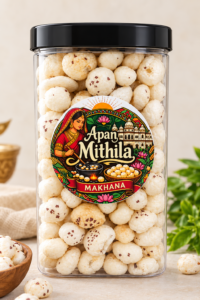
Before purchasing, look for packaging that protects the product from humidity and moisture. If the packaging has a transparent section, you may be able to inspect the pieces visually.
For packaged makhana, always check the seal and follow the manufacturer’s storage instructions.
Buying tip: After opening a pack, close it securely or transfer the contents to a clean, airtight container to help preserve crispness.
3. Understand Different Makhana Grades
Makhana is sold in different grades according to factors such as size, appearance, and commercial specifications. Grade names can vary between sellers, so it is important to check how a particular brand defines its products.
Premium Makhana
Premium makhana is commonly positioned for consumers who prefer carefully selected pieces and an elevated snacking experience.
Depending on the seller’s grading standards, it may feature larger or more uniform pieces. It can be suitable for serving guests, gifting, or enjoying as a special snack.
Gold Makhana
Gold Makhana is a commercial product name used by some sellers to distinguish a particular selection or grade.
The name does not have one universal grading definition across every brand. Before comparing Gold Makhana with Premium Makhana, check the seller’s stated size, quality specifications, and price per unit of weight.
Which Grade Should You Choose?
The right choice depends on your preferences and intended use.
- Choose a premium selection if appearance and uniformity are important to you.
- Compare alternative grades if you want a practical option for everyday snacking.
- For recipes such as makhana kheer, choose a grade that suits your preparation and budget.
Rather than relying only on a product name, compare the actual product specifications and packaging information.
4. Check Freshness and Packaging
Even good-quality makhana can lose its desirable texture if it is stored incorrectly.
Moisture exposure can affect crispness, while damaged packaging may allow air and humidity to enter.
Before buying, check these details:
Manufacturing or packing date: Review the date information printed on the label.
Best-before date: Choose a pack that is within its stated shelf life.
Packaging condition: Avoid packs with damaged seals, punctures, or signs of moisture.
Storage instructions: Follow the manufacturer’s guidance after opening the product.
Product details: Look for clearly displayed ingredient, manufacturer, and applicable food licensing information.
A well-sealed pack with clear labelling helps you make a more informed purchase.
5. Choose the Right Makhana for Your Taste
Makhana’s mild flavour makes it suitable for several preparations. Your ideal variety depends on whether you prefer simple flavours, rich seasoning, or a spicy snack.
Classic Makhana
Classic makhana is a good choice for people who enjoy a simple snack or prefer to season it themselves at home.
Ghee-Roasted Makhana
Ghee-roasted makhana offers a richer flavour and a savoury finish. Check the ingredient list to understand how much added fat the product contains.
Peri-Peri Makhana
Peri-peri makhana is suited to people who enjoy bold, spicy flavours. Compare sodium levels and seasoning ingredients if you are monitoring salt intake.
Pudina Makhana
Pudina makhana offers a mint-inspired savoury flavour that works well for an afternoon snack or a quick bite while travelling.
When choosing flavoured makhana, check the ingredients and nutrition panel rather than assuming all varieties have the same nutritional profile.
6. Compare Price With Quantity and Quality
A lower price does not always mean better value, and a higher price does not automatically guarantee superior quality.
To compare products fairly, consider:
- Net weight of the pack.
- Price per 100 grams.
- Size and grade specifications.
- Amount of broken pieces.
- Ingredients and added seasonings.
- Packaging quality and freshness.
For example, a 100-gram pack priced at ₹150 costs ₹150 per 100 grams, while a 200-gram pack priced at ₹260 costs ₹130 per 100 grams.
The second option offers a lower price per 100 grams, provided the products are comparable in quality and grade.
Taking a moment to compare these details can help you find a product that fits both your expectations and your budget.
7. Why Bihar Is Closely Associated With Makhana
Bihar has a longstanding connection with makhana cultivation and processing, particularly in the Mithila region.
The crop is an important part of regional agricultural traditions and local livelihoods. Processing makhana into its familiar puffed form requires specialised work and knowledge.
For consumers, learning about its origins adds another dimension to choosing this traditional Indian ingredient.
At Apan Mithila Makhana, our name reflects our connection with Mithila and our focus on bringing makhana to consumers who appreciate its versatility and regional heritage.
8. How to Store Makhana After Buying It
Proper storage helps protect makhana from moisture and maintain its texture.
Follow these simple practices:
- Store the product in a cool, dry place.
- Keep the pack tightly sealed after opening.
- Use a clean, dry, airtight container if transferring the contents.
- Avoid storing makhana near steam, sinks, or other sources of moisture.
- Follow the product’s best-before date and storage instructions.
If roasted makhana becomes slightly soft, gentle reheating in a pan may help restore some crispness. Do not consume food that shows signs of spoilage or contamination.
9. Common Mistakes to Avoid When Buying Makhana
Avoid these common purchasing mistakes:
- Choosing by size alone: Larger pieces are not necessarily better in every respect.
- Ignoring the label: Ingredients, net weight, and shelf life all matter.
- Comparing only the pack price: Check the price per 100 grams for a fair comparison.
- Assuming every flavoured variety is identical: Added oil, salt, and seasonings can differ.
- Ignoring storage: Even a good product can lose crispness when exposed to moisture.
- Treating marketing names as universal grades: Confirm the seller’s actual specifications.
A little attention to these details can help you select makhana with greater confidence.
Frequently Asked Questions
Which makhana is best to buy?
The best makhana depends on your preferences, budget, and intended use. Compare freshness, texture, grade specifications, packaging, and price before deciding.
Is bigger makhana always better?
No. Larger pieces may be preferred for appearance, but size alone does not determine freshness, taste, or overall quality.
What is the difference between Premium Makhana and Gold Makhana?
These names may refer to different commercial selections, but their definitions vary by seller. Check each product’s grade specifications and description before comparing them.
How can I tell if makhana is fresh?
Look for intact packaging, clear date information, and no visible signs of moisture or contamination. Properly roasted makhana is generally crisp rather than damp or chewy.
How should I store makhana at home?
Store it in a cool, dry place in a tightly sealed pack or an airtight container. Keep moisture away to help maintain its texture.
Is flavoured makhana different from plain makhana?
Yes. Flavoured varieties contain seasonings and may include added oil, salt, sugar, or other ingredients. Check the label to understand the differences.
Is makhana grown in Bihar?
Yes. Bihar is an important makhana-producing state, with the Mithila region particularly associated with its cultivation and processing.
Find Your Favourite Makhana With Apan Mithila Makhana
Choosing good makhana does not have to be complicated. Pay attention to texture, freshness, packaging, grade specifications, and value for money.
Whether you prefer a premium selection, an everyday snack, or a flavourful roasted variety, understanding these factors can help you find the right fit.
At Apan Mithila Makhana, we celebrate the makhana heritage of Mithila and invite you to explore our collection.
Explore our makhana range today and discover a crunchy favourite for your everyday snacking moments.