Introduction: The Traditional Indian Snack Making a Comeback
Looking for a snack that is light, crunchy, and rooted in Indian food traditions? Meet makhana, also known as fox nuts or lotus seeds in everyday usage. This popular snack has been enjoyed in Indian households for generations, particularly in Bihar, where makhana cultivation has deep cultural and agricultural roots.
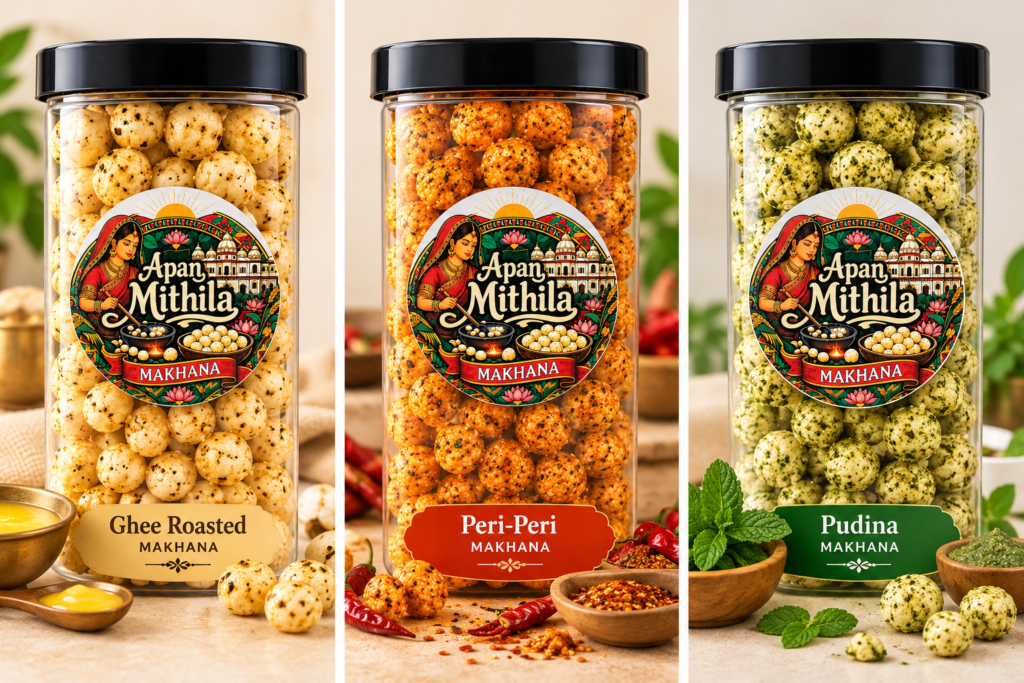
Today, makhana is finding its way into modern kitchens as consumers explore alternatives to conventional fried snacks. From lightly roasted makhana to delicious peri-peri and pudina flavours, it offers plenty of ways to make everyday snacking more interesting.
But what makes makhana so popular? Let’s explore its nutritional qualities, potential health benefits, preparation methods, and creative ways to enjoy it.
What Is Makhana?
Makhana is the edible seed of Euryale ferox, an aquatic plant that grows in freshwater environments. Although commonly called fox nuts, it is botanically different from true lotus seeds.
In India, makhana is closely associated with Bihar, especially the Mithila region, where traditional cultivation and processing have supported local communities for generations.
After harvesting, the seeds undergo processing and roasting to produce the familiar white, puffed, crunchy makhana that people enjoy as a snack.
Its mild flavour makes it versatile. You can enjoy it plain, roast it with a little ghee, add spices, or use it in traditional Indian recipes.
7 Potential Benefits of Makhana
Makhana can be a useful addition to a varied, balanced diet. Its nutritional value depends on the variety, processing method, serving size, and ingredients added during preparation.
1. A Convenient Alternative to Conventional Snacks
Replacing some highly processed snacks with roasted makhana can be a practical way to introduce variety into your eating habits. Plain or lightly roasted makhana can be prepared with modest amounts of oil and seasoning.
For a more mindful snack choice, compare nutrition labels and serving sizes rather than assuming every packaged makhana product is automatically healthier.
2. Provides Plant-Based Protein
Makhana contains plant-based protein, which contributes to the body’s normal growth and maintenance processes.
Although it can contribute to your overall protein intake, it should not be considered a complete replacement for protein-rich foods such as pulses, dairy products, soy, or nuts.
3. Contains Carbohydrates for Energy
Makhana provides carbohydrates, which the body uses for energy. This makes it a convenient snack between meals or an ingredient in a homemade snack mix.
For a more balanced snack, pair it with a protein source, such as roasted chickpeas or a small serving of nuts.
4. Naturally Low in Fat Before Added Ingredients
Plain makhana is naturally low in fat compared with many oil-fried snacks. However, the final fat and calorie content can increase when ghee, oil, butter, or rich seasonings are added.
If you are monitoring your food intake, check the nutrition information on the product you purchase.
5. Offers Minerals and Other Nutrients
Makhana contains minerals, including magnesium and phosphorus, although the amounts vary by product and processing.
These nutrients support normal body functions, including energy metabolism and the maintenance of healthy bones. Makhana can contribute to a varied diet, but it should not be treated as a cure or a substitute for medical treatment.
6. Easy to Incorporate Into Everyday Meals
One of makhana’s biggest advantages is its versatility. You can enjoy it as a standalone snack, add it to trail mixes, or incorporate it into Indian dishes.
Its mild flavour works with both sweet and savoury ingredients, making it easy to experiment with different recipes.
7. A Traditional Food With Regional Significance
Makhana is more than a snack. It is also an important agricultural product associated with Bihar and the Mithila region.
Choosing quality makhana can be a way to discover traditional Indian ingredients and appreciate the work involved in bringing them from cultivation to your kitchen.
Important: These are general nutritional observations, not medical claims. Makhana does not independently prevent, treat, or cure any disease.
Makhana Nutrition: What Should You Know?
The nutritional composition of makhana varies according to the raw material, processing, and preparation method.
Plain makhana generally provides carbohydrates, some protein, dietary fibre, and small amounts of fat. Packaged flavoured varieties may contain additional oil, salt, sugar, or seasoning ingredients.
When comparing products, look for:
- Serving size: Check how much you typically eat in one sitting.
- Calories: Compare the energy content per serving.
- Protein and fibre: Review the amounts listed on the nutrition panel.
- Added fat: Check whether oil or ghee has been used.
- Sodium: Compare salt levels, particularly in strongly flavoured varieties.
- Ingredients: Choose products whose ingredient lists match your preferences.
For accurate nutritional information, always refer to the product’s own label rather than relying on a single nutrition estimate for all varieties of makhana.
5 Delicious Ways to Eat Makhana
One reason makhana has become a popular snack is the number of ways it can be prepared.
1. Classic Roasted Makhana
Lightly roast makhana in a pan until crisp. Add a little ghee, if desired, along with a pinch of salt and black pepper.
This simple preparation lets the natural flavour and crunch shine through.
2. Ghee-Roasted Makhana
For a richer taste, toss makhana with a small amount of ghee and your favourite spices. Roast until crisp and serve warm.
3. Peri-Peri Makhana
If you prefer bold flavours, coat roasted makhana with peri-peri seasoning. It is an easy way to add a spicy twist to your snack routine.
4. Pudina Makhana
Mint-inspired seasoning gives makhana a refreshing, savoury flavour. Pair it with tea during an afternoon break or enjoy it while travelling.
5. Makhana Kheer
Makhana is also used in traditional Indian desserts. Simmer it with milk, cardamom, and your preferred sweetener to prepare a comforting makhana kheer.
For a lighter version, adjust the quantity of sugar and use a milk option that suits your dietary needs.
How to Roast Makhana at Home
Want to prepare a fresh batch at home? Follow these simple steps.
Ingredients
- 2 cups plain makhana
- 1–2 teaspoons ghee or oil, optional
- Salt to taste
- Black pepper or your preferred seasoning
Method
- Heat a heavy-bottomed pan on low to medium-low heat.
- Add the makhana and roast, stirring regularly, for approximately 5–10 minutes, depending on their size and moisture.
- If using ghee or oil, add a small amount and toss evenly.
- Season with salt, pepper, or your favourite spices.
- Allow the makhana to cool slightly, then check that it is crisp.
- Store leftovers in an airtight container once completely cool.
Pro tip: If the makhana feels chewy, roast it a little longer over low heat, taking care not to burn it.
How to Choose Good-Quality Makhana
Whether you are buying plain makhana or flavoured varieties, quality matters.
Here are a few things to consider:
- Appearance: Look for reasonably uniform pieces that match the grade you are buying.
- Texture: Good roasted makhana should have a crisp texture rather than feeling damp or chewy.
- Freshness: Check the packaging date, best-before date, and storage instructions.
- Packaging: Choose sealed packaging that protects the product from moisture.
- Ingredients: Review the ingredient list, particularly for flavoured products.
- Brand transparency: Look for clearly displayed manufacturer details, food licence information where applicable, and complete product labelling.
Different grades and sizes may have different appearances, so a larger piece is not automatically proof of better quality.
Why Bihar Is Important to Makhana
Bihar is one of India’s most important makhana-producing regions. The Mithila region, in particular, has a longstanding connection with makhana cultivation, processing, and consumption.
Makhana production requires specialised knowledge and labour, from cultivating aquatic crops to processing the harvested seeds into the familiar puffed product.
This regional heritage has helped bring makhana to a wider audience, allowing more people to discover an ingredient that has long been part of local food traditions.
At Apan Mithila Makhana, we celebrate this connection to Mithila through our focus on makhana and the many ways it can be enjoyed in modern Indian households.
Frequently Asked Questions About Makhana
Is makhana good for everyday snacking?
Makhana can fit into an everyday eating pattern when enjoyed in suitable portions as part of a balanced diet. Preparation methods and added ingredients affect its overall nutritional profile.
Are fox nuts and makhana the same?
Yes. In Indian food usage, fox nuts commonly refers to makhana, the edible seeds of Euryale ferox. Despite the common name, they are not true nuts.
Is roasted makhana better than fried snacks?
Plain or lightly roasted makhana may contain less fat than many deep-fried snacks. The comparison depends on the snack, preparation method, serving size, and added ingredients.
Can I eat makhana at night?
Makhana can be enjoyed in the evening if it suits your appetite and dietary needs. Pay attention to portion size and any added salt, oil, or seasoning.
Which makhana flavour should I try first?
Classic roasted makhana is a good starting point if you prefer simple flavours. Ghee-roasted is richer, peri-peri offers a spicy kick, and pudina provides a minty savoury taste.
How should makhana be stored?
Keep makhana in an airtight container in a cool, dry place, following the product’s storage instructions. Protect it from moisture to help maintain its crisp texture.
Is makhana suitable for everyone?
Many people can enjoy makhana as part of a varied diet. Individual dietary needs, allergies to added ingredients, and preparation methods should be considered. Anyone following a medically prescribed diet should seek advice from a qualified healthcare professional when needed.